
If you’ve ever been a competitive swimmer, then you know there’s something special about relays.
In individual races, it’s just you against the clock. That can be exhilarating, but also tough — especially if you’re your own harshest critic. And while medals and prizes can motivate us, they also shift the reason we race: only one person can take the gold.
Relays are different. In a relay, you’re never truly alone. You’re racing not only for yourself, but for your teammates, your club, and sometimes even your country. That shared responsibility changes everything.
I still remember how my teammates congratulated each other, how our coach gathered us around to compare splits, and the pride we felt standing on the podium together. Those moments always seemed richer than winning alone.
Of course, individual success matters — it reflects dedication and discipline. But relays demand something more: four swimmers performing at their best on the same day, for each other. That reliance on teammates builds a bond like no other. Even mixed relays, though new to the sport, looks like a kind of siblinghood. I wish they had existed in my time.
Relays even change the pre-race atmosphere. In the call room before an individual race, you sit alone with your thoughts. In a relay, you have your squad with you — chatting, laughing, building energy together. It feels lighter, more fun, no stress.
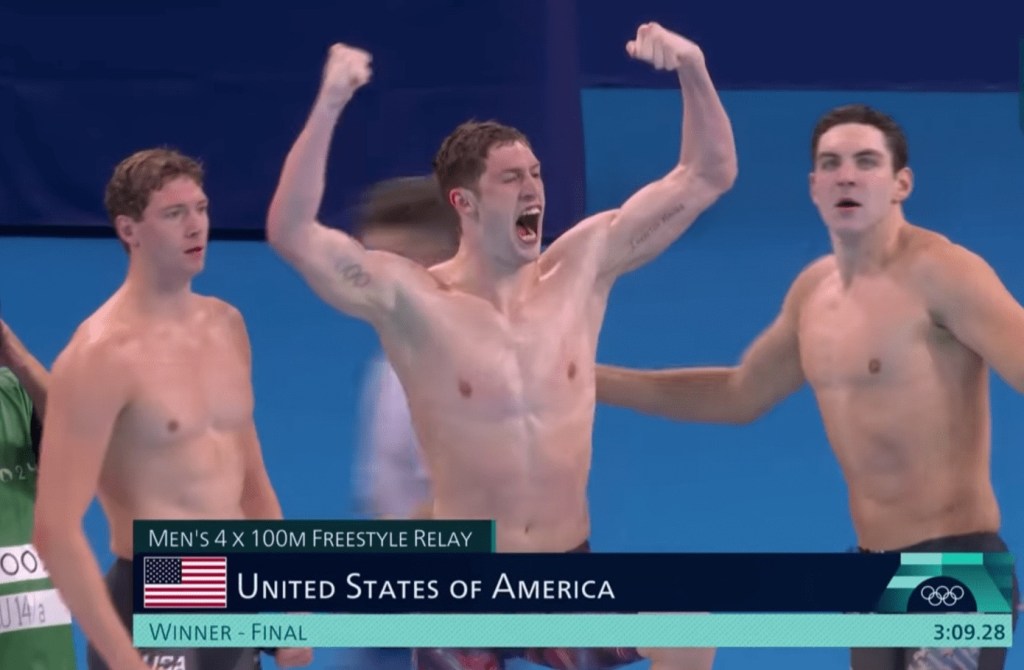
And when it all comes together, the celebration is instant and shared. There’s no quiet handshake with a competitor in the next lane, but an outburst of joy with your teammates — pure, unrestrained jubilation.
Each swimmer in a relay has a role: the lead-off sets the tone, the middle swimmers position the team, and the anchor brings it home. It’s the purest form of team spirit in swimming.

Watching the relays at the Paris Games reminded me of that truth: relays aren’t just races. They’re proof that in a sport often defined by individuality, teamwork can create the most powerful and joyful victories.
Do you want to join in the discussion with Gary? Join in his Skool and get started: https://www.skool.com/performance-swim-strokes-6754/about


 swimcoachingblog