
What is more important: endurance or technique? To me there is no ‘chicken or egg question’ in the debate of what should be the priority between high mileage or technique. Technique must always come first and always be the focus. I will tell you why I feel this way.
I would take it further and say that technique can be both the chicken and the egg.
Many coaches will agree with the importance of technique but, of course, many will disagree. It is a lively debate and success has been had in both camps.
 It is easy to see when children are having fun. They laugh.
My philosophy is based on my experience. Putting a technique-first philosophy into practice is challenging. Many coaches will debate that you can start with technique training but as time goes by you will have to move into high mileage swimming to achieve success.
The philosophy that I have seen too much of is exceptionally high mileage swimming. So if you may indulge another domestic bird analogy, that philosophy is; throw all your eggs at the wall and the one that doesn’t break is your winner. This ubiquitous practice pains me immensely but I am comforted by the potential in the future of a class-action lawsuit against the worst proponents who have pool decks full of broken eggs.
In a wholly technique based philosophy all sets are designed to keep a young mind focused on feeling the water, making it fun to be efficient, learning how to move and balance, and playing games that are underpinned by an aerobic or speed based platform. Weird sculling, unusual uses of woggles, holding or passing balls, odd names for made-up new drills and an endless well of other fun things to do in a pool should be the way young children experience the world of swimming. Dread, boredom, pain and endless drudgery should not be part of anyone’s childhood.
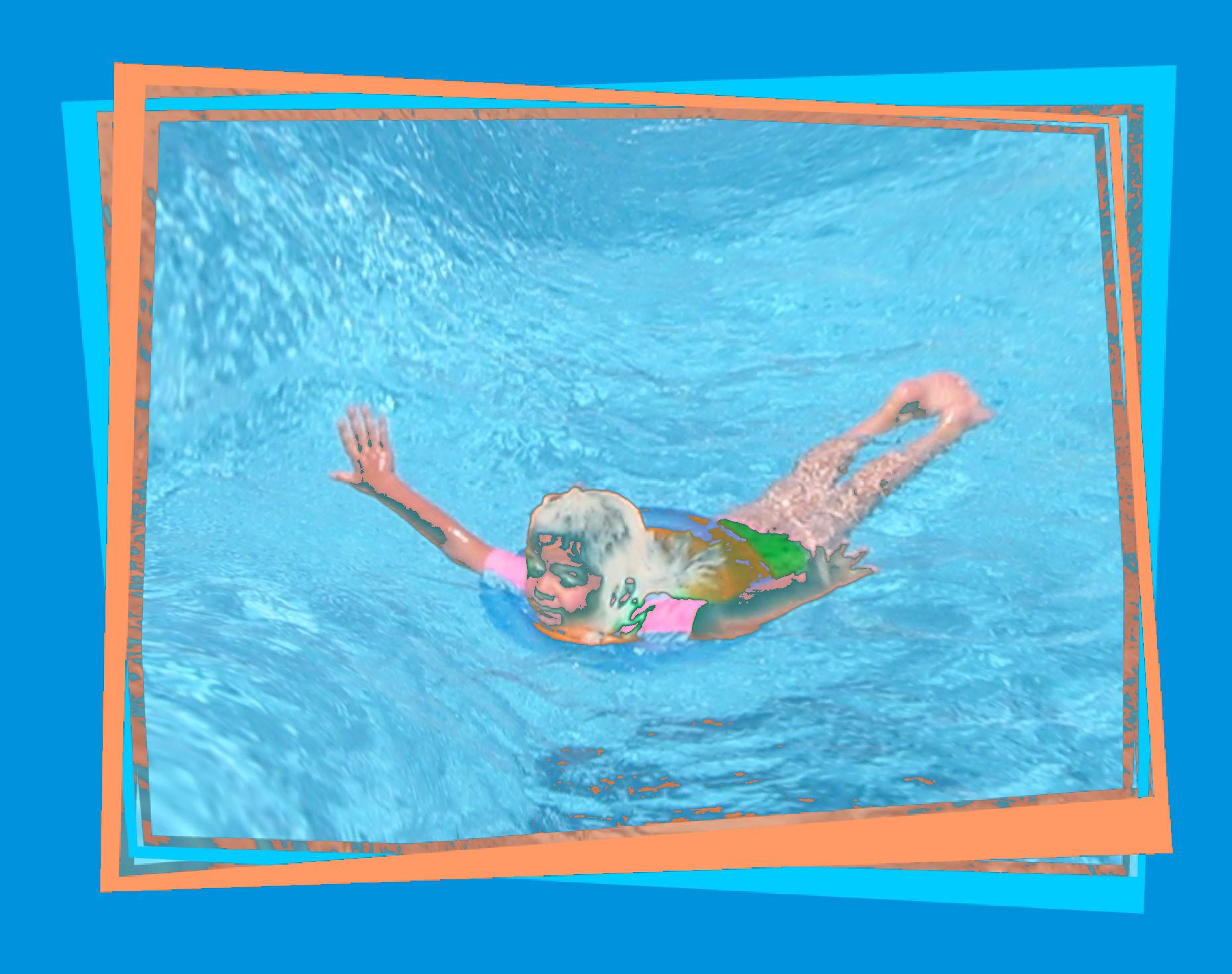 Unique games can be challenging enough to cause big adaptive change. Bigger than any basic ‘hard set’.
Oddly, even some of the ‘old school’ coaches, who many of today’s coaches portend to follow, did not have the mileage like some of the endless ‘no pain no gain’ programmes of today. The success stories from huge mileage programmes shine with gold but the piles of broken swimmers left behind does not justify the incalculable distress caused to so many young lives.
I can recall an article in a swimming magazine that praised the bravery of a forty year old masters swimmer who had finally got back to the pool and subsequently onto the blocks to race. She was brave because she had reached such a state of over-training and chronic fatigue that as a twenty year old, striving to make the US Olympic team, her body fell to pieces. She didn’t make that team. She had to quit. She was left behind and forgotten. At her worst she could not walk across a room without fatigue. For twenty years she battled to get herself back to ‘normal’. And after a long hard battle she made it. Success? Yes. And no. A personal success and thank goodness she did, but she shouldn’t have been doing what she was doing in the first place. Her programme was one of the highest mileage programmes in American and likely in the world. A programme that bragged about swimmers doing one set of a 12,000 IM and regularly over 100k per week.
 Kids need to be kids. Not small adults.
Long mileage does not have to be the only way to the top. It can work for some very unusually tolerant bodies. However a more ethical way would be to discover all the variations of skills in a group of children and then apply the appropriate programme. The programme doing the 12,000 IM did not find any sprinters… but did find a great 400im-er.
What happened to that Masters swimmer, in my non-medical lay-person understanding, was her immune system, which helps her to recover from training, became so tired and exhausted that it could not cope any more, so her immune system essentially broke, she no longer could recover at all. But she kept going, and going, and going. She was told it was the way to the top. The way to make her goal. She became chronically fatigued. More than likely chronically depressed too.
In a technique-based programme the focus is on efficiency and ‘style’. A style that is smooth and controlled. This type of swimming can be very demanding. What happens in the daily attempt to be more efficient; adaptation occurs! With creative coaching adaptation in both technique and fitness. Two birds, one stone (hmm more bird analogies). Adaptation through fun races, challenging test sets and team camaraderie. A coach will have the perfect formula for success at every level, for everyone. Your super-star swimmers will perform, your team leaders will learn to lead, your goof-ball kids will have fun, your geeky kids will probably design a new app to help you coach (and probably will become millionaires before they’re 25), your sprinters will be able to sprint and your distance swimmers will be unbeatable.
 Snakes and Ladders warm up. No one gets in late…(look at blog post “they will ask to get in early”)
No one should be left behind like a broken egg that didn’t survive the test and no one should ever again spent their youth digging a giant hole that they spend the next twenty years of their life digging out of.
Creativity is a coaching skill that needs honed. It will bring out the best in you and will help you to discover the personalities that evolve in front of you. Long boring sets are not creative. They are boring. Who knows where creative coaching will take you, because anyways, no matter what, you can’t count your chickens before they hatch.
Do you want to join in the discussion with Gary? Join in his Skool and get started: https://www.skool.com/performance-swim-strokes-6754/about


 swimcoachingblog