by SwimCoachingBlog
As a coach, one of the most valuable skills you can develop is reading the mood of your group. Pay attention to their level of happy. A squad of swimmers who are keen, healthy, and ready to train will be noisy, gregarious, and maybe even a little annoying — but most importantly, they’ll be happy. You can often gauge how “trainable” a group is by the laughter, smiles, and chatter you notice before practice even begins.
Training should be challenging — in fact, to achieve meaningful adaptation, it has to be. Hard work leads to progress, but the byproduct of hard work is fatigue. And overly fatigued athletes are at higher risk of both physical and mental illness. The key is knowing where the line is: how much stress produces growth, and when that same stress becomes too much.
One of the simplest rules of thumb I use is this: watch the smiles. If the laughter disappears and the squad is dragging themselves around, looking grumpy or sad, that’s a sign it’s time to change something.
If swimmers are sluggish and their bodies look heavy — maybe cramping is more common, or they’ve lost their “bounce” — they’re likely physically fatigued. That’s when recovery sessions are useful.
If they’re mopey, withdrawn, or just not laughing and forming those little giggling groups, the issue may be mental fatigue. They might still be able to handle physical stress, but their motivation and mood are dipping. That’s your cue to inject some fun into the session.
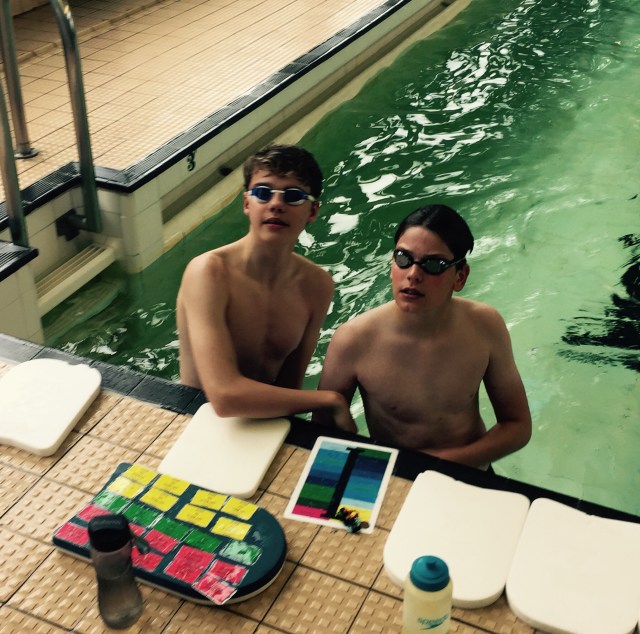
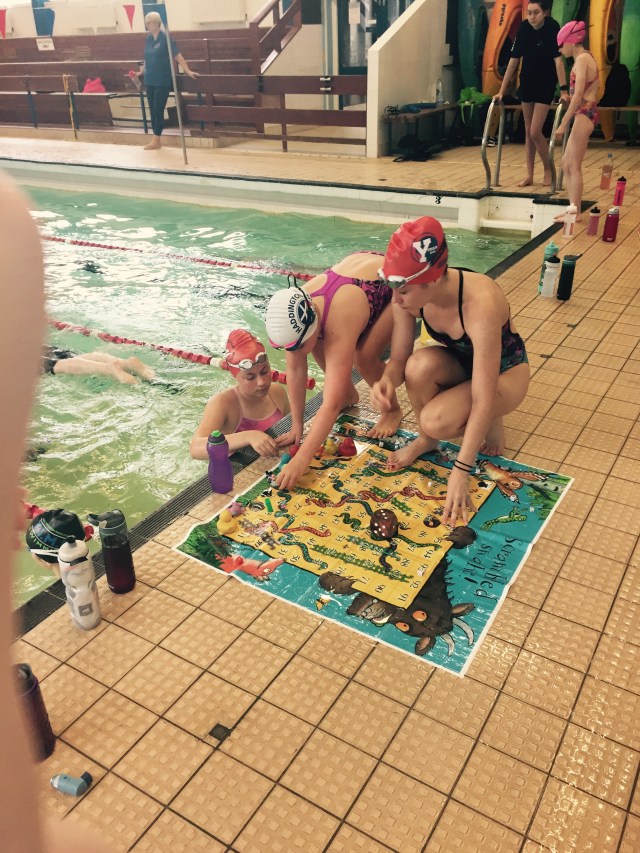
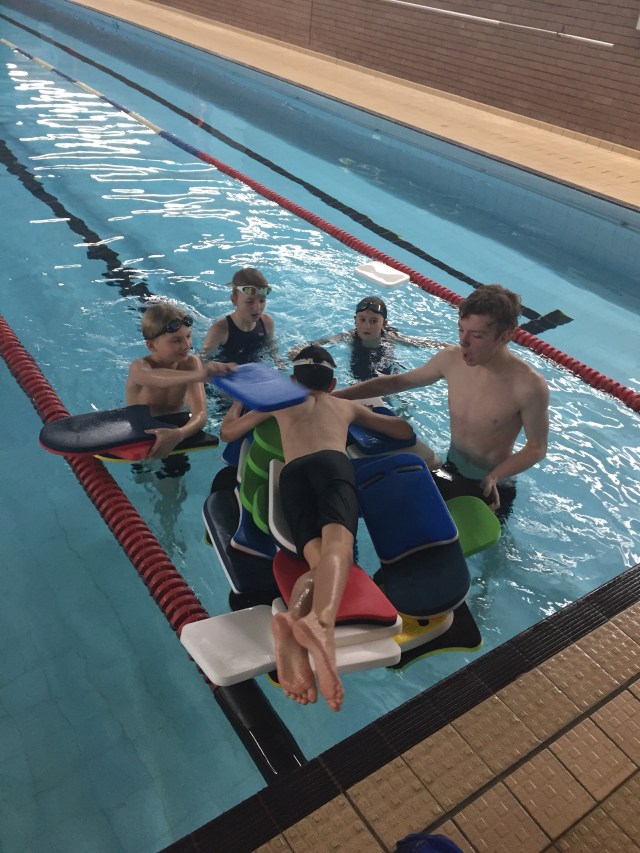
Fun games are a fantastic tool because they deliver hidden benefits: you can still get meaningful work done while lightening the atmosphere. Laughter lifts mental fatigue, and many active games still challenge the body, often leading to significant adaptation and race-time improvements.
In the real world of club coaching, here’s my rule of thumb:
- Sad, grumpy, mopey swimmers? Add a fun game to lift spirits.
- Tired but not mopey swimmers? Opt for a recovery session to help them bounce back.
The threshold for “too much” in young swimmers is often higher than we think — they can handle hard work. But mentally, that work can take its toll. Being aware of this helps you make smarter decisions about when to play games, when to push, and when to ease off.
Even something as simple as “tig” (or “tag,” as it’s known in North America) can be surprisingly challenging. Silly games are always popular with younger swimmers — and you might be surprised to find even masters swimmers enjoy them too.
It might take some confidence to incorporate games into your coaching, but I’ve done it throughout my career — and I’ve never once had a complaint.
If you’d like some inspiration, you can download a free game in another blog “Your Swimmers Will Ask To Get In Early”

—————————————————————————-
Want more coaching insights like this? Subscribe to SwimCoachingBlog for weekly perspectives on the art and science of elite swim coaching.
—————————————————————————-
If you would like more mentoring with Gary Vandermeulen please sign up to Skool at:


 swimcoachingblog