Bravado is the currency of adolescent life for many boys. Hot weather sends almost everyone to cool beautiful places beside water and this week it was hot! And cold water killed someone. Probably more than one around our watery planet in the normally cool climate of Great Britain, when it got unseasonably hot.
It is one of my favourite things to do, it’s a bit of a busman’s holiday for me, but when the sun comes out even swim coaches go to the water.
An announcement jumped into my feed; a 16 yr old drowned in Callander. A scary thing for sure but not shocking to most people. For me, my 16yr old went to the Callander area to camp by the loch with his pals. So this headline struck home; maybe…my son? I quickly got word to him. …“What Dad…?[add exasperated impatience here]”
As a swim coach, obviously my son can swim. But all water is dangerous, so that tiny seed was planted in my head, with that headline …what if it’s my son? So I’m writing this as a warning from someone who has spent 51yrs in a pool or beside a pool…every single day since Lloydie died. 18,615 days by water. Literally.
Water is heavy. It will push you around and you will be moved. Fill up a bucket and quickly lift it up. You will be surprised how heavy it is. Wherever water wants to put you…you have no choice, you will go there.
Water is cold after the winter and it’s way colder than you think. You can act brave and jump in, but it will surprise you so quickly that you will have no ability to breath in. Cold water punches you in the gut; hard. Then slaps your face with a 2×4. Blam. Blam! Your brain says breath now but your chest has already inhaled coldness. You won’t win in cold water.
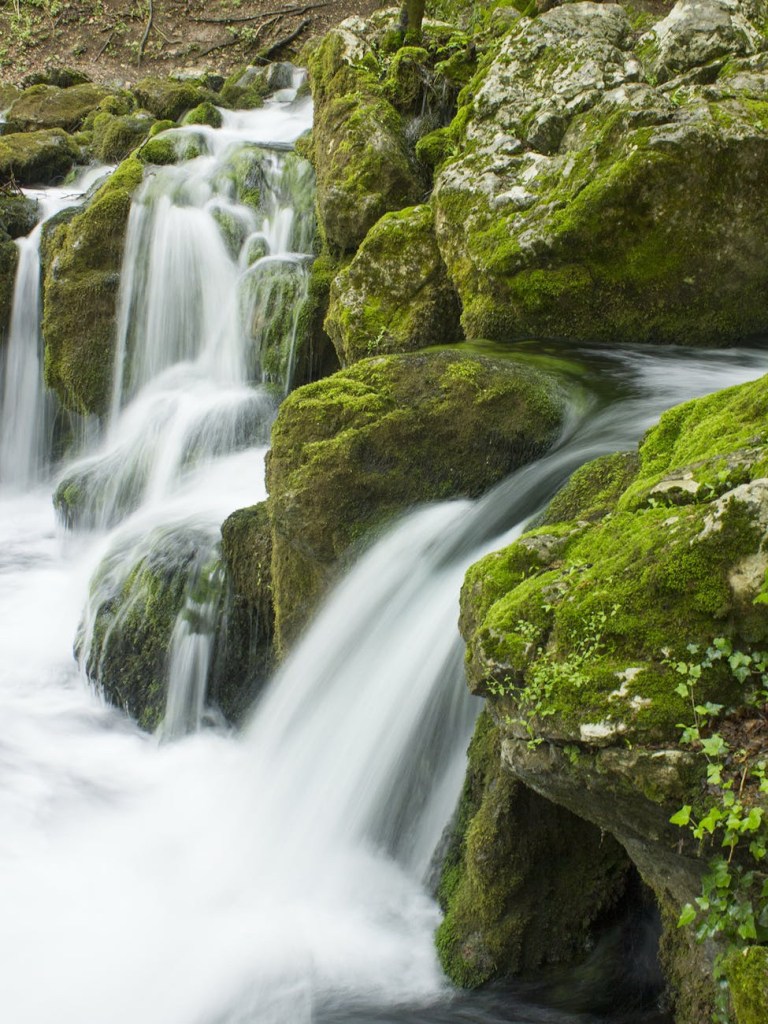
Waterfalls are beautiful. They are enticing, but don’t be fooled, big moving water is not your friend. Swirling eddies that a waterfall creates will keep you in its swilling underwater death-grip until long after you stopped struggling. You won’t win in this pool.
Bravado is not a good thing. Your stupid adolescent self will say; go on you pussy! But your fat encased skeleton that relies on air, will be no match. You will not win against water. It has multiple weapons that will end your life. Even if other people did it. It may catch you off guard and send you swirling without air with a knock on the temple, and in a truly harsh quick manner, that your lovely warm body isn’t ready for, you will be making a bad decision.
Be a pussy and live to talk about it. Don’t go in the rip. Don’t go in dark cold water. Don’t go into fast moving rivers and don’t go into waterfalls. You won’t win if there’s a battle.